


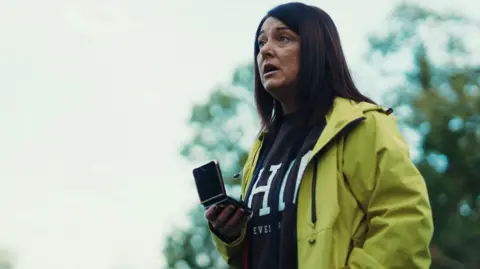
While conducting an discussion near a community green space in the community, a came forward.
May I ask why you’re encouraging these people to occupy this park?” she asked while recording the interaction on her phone.
The person we were speaking with for our investigation was residing in a local temporary housing, where angry demonstrations had been occurring since the summer.
The individual claimed that residents from the hotel had been interacting with local children, and demanded that we relocate our interview elsewhere.
Suddenly, a number of residents who we were unaware of engaging in sports in the vicinity appeared over the slope.
She informed me it was my doing they were there and if “something occurs here, you’re responsible.”
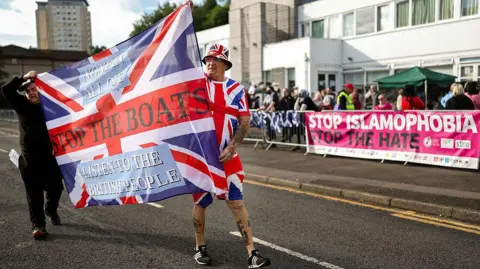
The woman uploaded her video to the internet. It was watched countless of times after being shared by right-wing influencers.
She was hailed as a defender for protecting local residents.
I was deluged with threats and threatened that I should leave the town.
I do not think that my interview with this man, who subsequently withdrew consent its use, put anyone in danger.
But this encounter, and its repercussions, gave me perhaps the sharpest insight yet into the concern some within the area – and elsewhere – have about asylum seekers in their communities.
Resident Worries and Demonstrations
There are about 6,300 people applying for refuge in the country, many of whom arrived via small boats across the channel.
About a fourth stay in hotels while the administration decides whether to grant them protection.
We’ve spent the last few period filming at demonstrations against the hotels around the region.
In the community, there are more than eleven thousand names on the waiting list, awaiting new residences. There is anger at a belief that these people – and it is only men in the Cladhan Hotel – have received priority.
Asylum seekers are not typically allowed to have jobs while their requests are being evaluated and receive an stipend of £1.42 a day to survive on. With provided food, accommodation and no costs to pay, it angers of some.
“They receive entertainment, they have heating, they have garments, they receive phones, they receive medical care and if you feel that’s appropriate in our country right now, I do not.”
Smartphones are not supplied by the government but are frequently given to hotel occupants by organizations who help them.
Protection Worries and Local Conflict
The residents in the hotel come from a variety of countries, including the Middle East, Africa and East Africa, and all state they need protection from persecution.
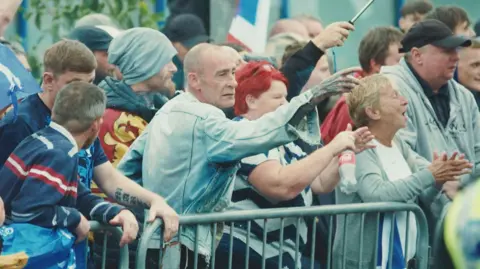
Occasionally we could see them watching from behind closed curtains, as cries of “Send them home! Send them home!” ricocheted through the roads.
The building was formerly a popular venue for events, special occasions and functions.
No warning was given or consultation held with the neighborhood that up to 90 refugees were going to be placed here in 2021.
“There exists a feeling that a matter is being forced upon them from a great height by authorities who don’t understand or concern themselves what the impact is going to be.”
All the financial outlays of sheltering asylum seekers in accommodations, about £2.1bn a year across the United Kingdom, are paid by the authorities.
The local authority head mentioned no asylum seeker was given preference over anyone else.
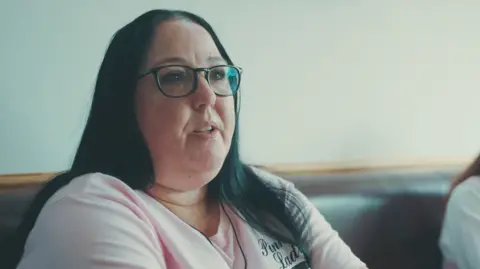
But it’s not just demand on facilities which has got residents out on the streets. There is anxiety, too.
Ex hotel occupant Sadeq Nikzad, from Afghanistan, was sentenced in June for the rape of a underage local girl.
“It killed me to know that that girl’s life was ruined.”
“We shouldn’t be living in terror,” she added.
In the previous year, the year of Nikzad’s act, there were 82 incidents of violent crimes in the town.
Authorities states it does not maintain records detailing whether offenders are asylum seekers or not.
From media reports, it suggests a single case was carried out by an asylum seeker that period – by the individual.
“Local individuals commit similar acts, but the situation is that the boats are still entering. They [the individuals] have a alternative viewpoint.”


